Color Harmony: How to Blend Paint Shades for a Cohesive Home Aesthetic Mar 09, 2026
Let's start by understanding the basics of color harmony. This concept revolves around the strategic combination of colors to create a sense of balance and unity in your home. It involves selecting colors that are pleasing to the eye and work well together in your desired space.
One crucial aspect of achieving color harmony is the color wheel, a powerful tool that helps visualize relationships between different shades. It is generally divided into warm and cool hues. Warm shades like reds, oranges, and yellows evoke energy and warmth, while cool tones such as blues, greens, and purples offer calmness and relaxation. Knowing this, you can start by choosing a main color with two complementary or analogous shades to ensure a balanced effect.
A popular strategy is the use of monochromatic schemes, which focus on variations within a single hue. By playing with different tones, shades, and tints, you can create a sophisticated look in any room. For example, a bedroom painted in varying shades of blue can evoke a serene atmosphere while maintaining a cohesive aesthetic.
Another approach is the complementary color scheme, which uses colors located directly opposite each other on the color wheel. For instance, pairing blue with orange or purple with yellow can create a dynamic look that adds vibrancy without overwhelming the senses.
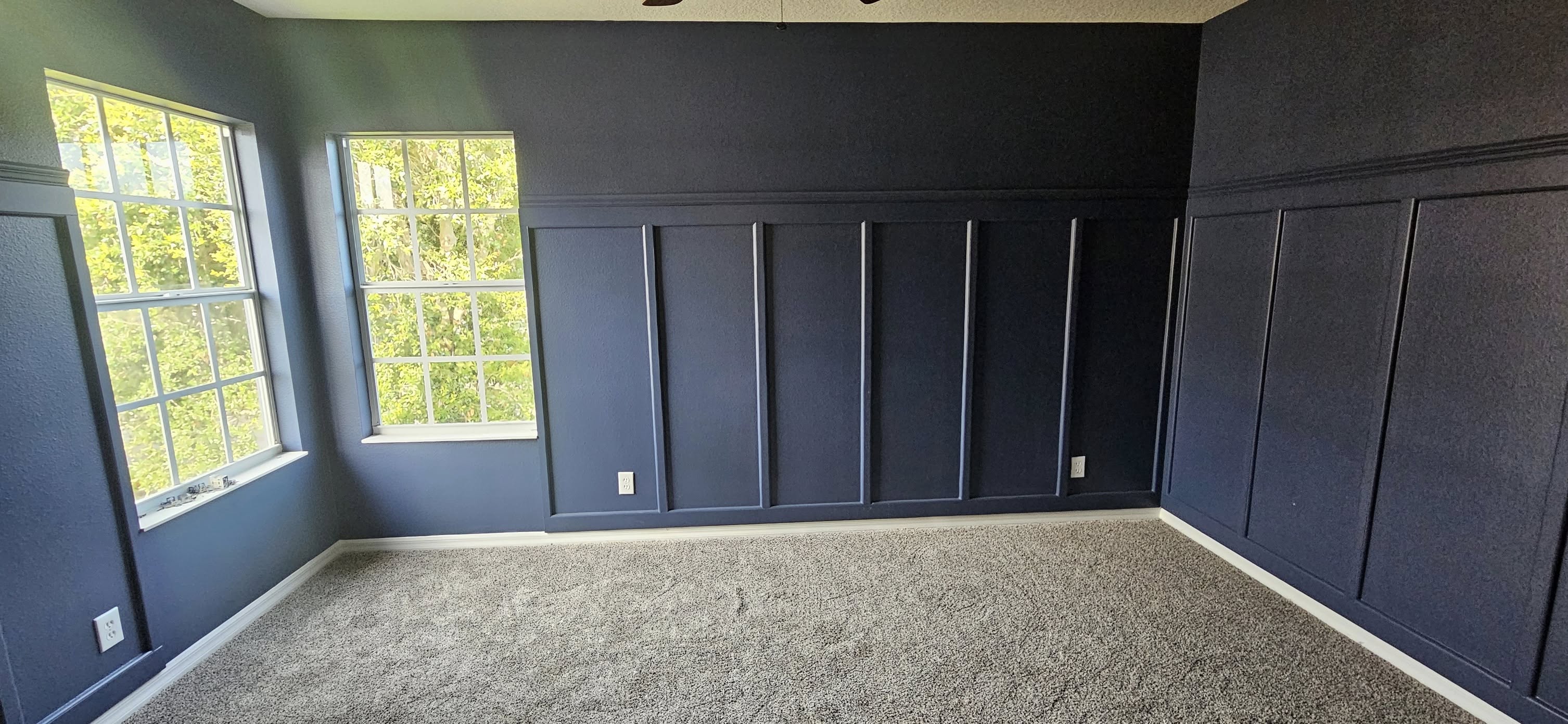
Emphasis on a focal point is essential in any room. A well-chosen feature wall in a bold color can act as a statement piece that ties the rest of the room together. For example, pairing a deep emerald green wall with softer, muted greens throughout the room can create both harmony and focus.
Additionally, consider the impact of natural and artificial lighting on your paint choices. Light changes how paint colors are perceived, so it's important to view your selected shades at different times of the day to ensure they harmonize well under all lighting conditions.
Incorporating texture through materials and finishes can also enhance your color scheme. Matte, glossy, and satin finishes can change the perception of a color, adding depth and interest without the need for additional hues.
As a final step, ensure each room within your home transitions smoothly into the next. Selecting an underlying base color that appears in each room can maintain a sense of continuity. This doesn’t mean all rooms must look the same, but rather that they should complement each other, contributing to the overall harmony.
Creating a cohesive home aesthetic through color harmony doesn't have to be daunting. By understanding the interplay of colors and leveraging the expertise of painting professionals like those at Painting By Steve, you can transform your living spaces into harmonious retreats that reflect your personal style. Let our team guide you in selecting the perfect palette that enhances your home's beauty and makes every room a joy to inhabit.
/filters:no_upscale()/filters:format(webp)/media/c76913c0-0f16-410a-9dbe-a5c4677d595b.png)