Expert Advice on Achieving Seamless Paint Transitions between Spaces Feb 21, 2026
One of the foundational aspects of achieving seamless paint transitions is choosing the right color palette. The key is to select colors that complement each other while maintaining a cohesive look. Neutrals such as whites, grays, and beiges are popular for their versatility and timeless appeal. These colors provide a neutral base and can serve as a connector between more vibrant tones used in different rooms. Consider using a color wheel to identify complementary colors, which can help in creating harmony throughout your home.
Natural lighting plays a significant role in how paint colors appear. A room that receives a lot of sunlight can handle darker or more saturated colors, while a dimly lit space might benefit from lighter shades. Before committing to a color, observe how it appears at different times of day in natural light, ensuring that the transition is consistent and appealing at all hours.
Color flow is another critical factor to consider when creating seamless transitions. It’s important to visualize how each room leads into the next. You may opt to use varying shades of the same color, creating a gradient effect that guides the eye from one space to another. An open floor plan, in particular, benefits from this approach, as it maintains a continuous look while still offering distinct areas their unique identity.
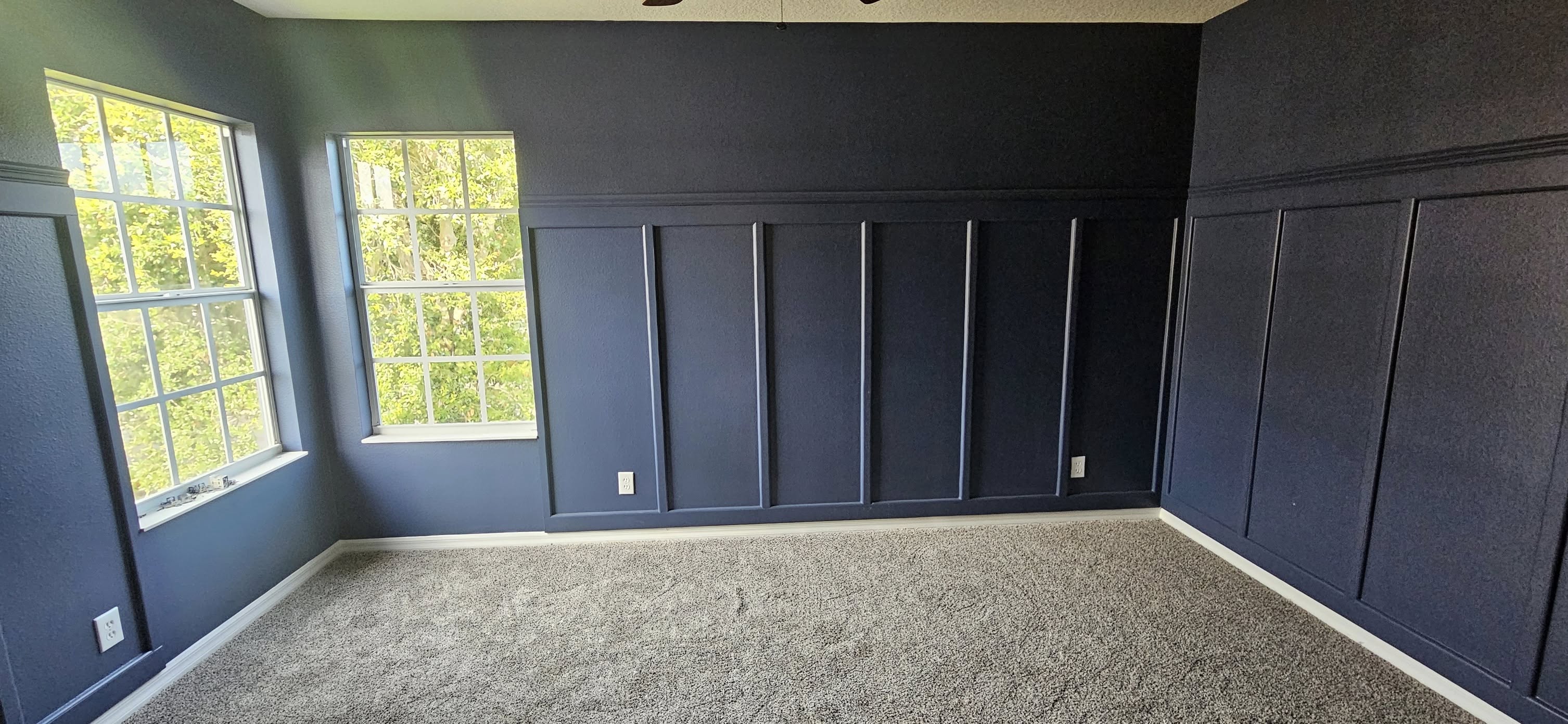
Contrastingly, you might want to introduce subtle contrast between rooms. This can be achieved by selecting an accent wall in each room that relates to elements in adjoining areas. These accent walls should tie into the main color scheme but can introduce a bolder hue, drawing attention and breaking up monotony.
When painting transition areas, such as doorways or archways, it’s often beneficial to use a neutral trim color. This creates a visual boundary that differentiates spaces without needing stark color changes. Consider using clean, crisp white or a light gray for trims, which complement most palettes and add an elegant touch.
At Painting By Steve, our experts emphasize the importance of high-quality paint finishes to ensure durability and a polished look. Using matte finishes provides a sophisticated backdrop, especially for living areas, while semi-gloss or satin finishes in kitchens and bathrooms offer ease of cleaning and a slight reflectivity that can brighten the space.
The final brushstroke in achieving seamless paint transitions is meticulous application. Ensure even coverage and consistent brushwork or rolling techniques. If you’re tackling a painting project yourself, invest in quality brushes and rollers and take your time to prep the walls properly, filling in any imperfections and applying a primer if needed.
In conclusion, seamless paint transitions are more than just a visual preference—they enhance the flow and feel of your home. By carefully selecting your color palette, considering lighting, and applying the paint with precision, you create an interconnected living space that reflects your style and personality. Should you need assistance, Painting By Steve is here to help with expert advice and professional services to transform your home into a masterpiece.
/filters:no_upscale()/filters:format(webp)/media/c76913c0-0f16-410a-9dbe-a5c4677d595b.png)