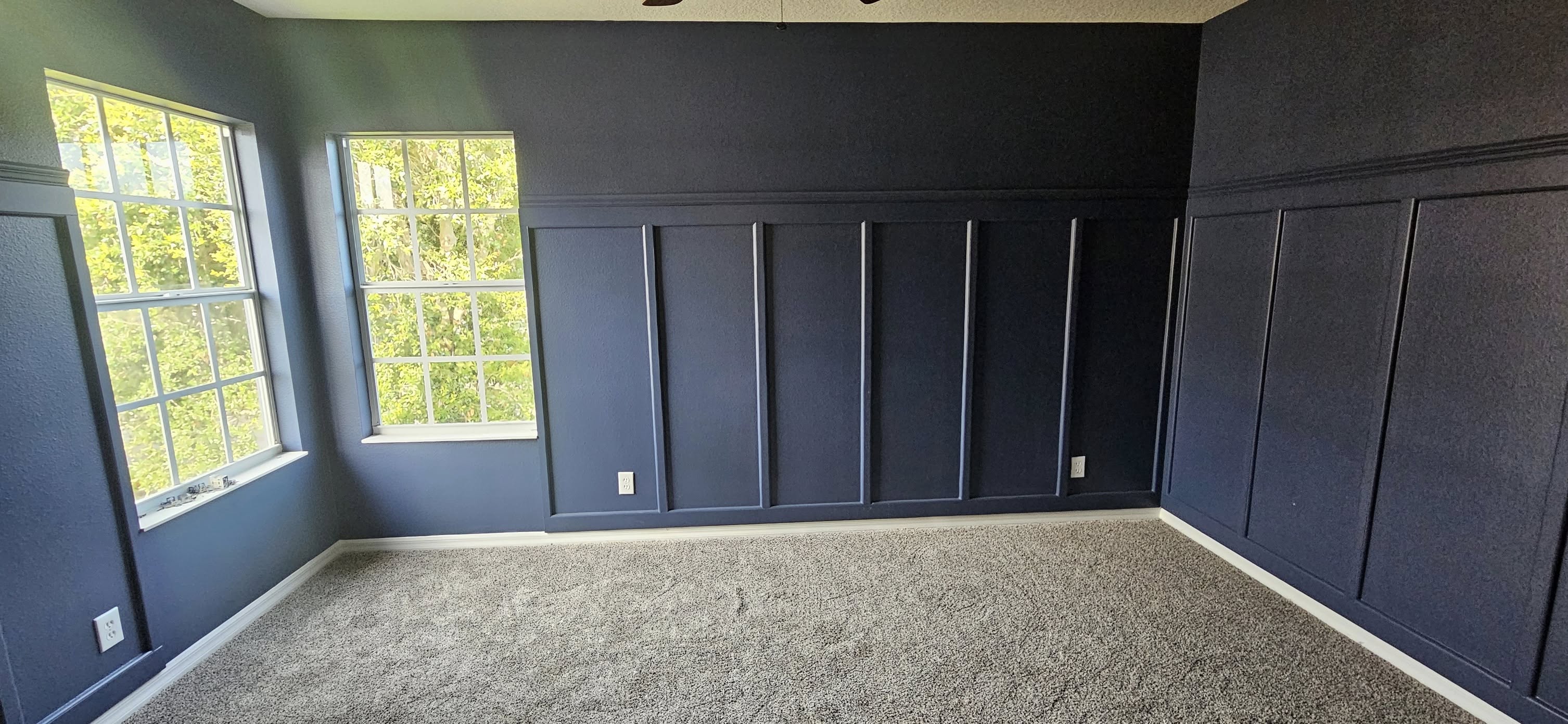
Flawless Finishes: Techniques for a Professional Look in Your Home Feb 18, 2026
Begin with Prep Work for a Perfect Surface
The foundation of a flawless paint job is thorough preparation. Before you even think about opening a can of paint, ensure that your walls are smooth and clean. Start by filling holes and sanding uneven surfaces to create a pristine base. Cleaning the walls with a damp cloth or mild detergent removes grime and dust that can disrupt the paint's finish. This step is crucial because paint clings better to clean, even surfaces, resulting in an immaculate finish.
Choose the Right Type of Paint
Selecting the appropriate type of paint for your home is essential. Consider the room’s purpose and environment when choosing your paint. For instance, in kitchens and bathrooms, it’s advisable to opt for a moisture-resistant, washable finish like satin or semi-gloss. In living spaces or bedrooms, a matte or eggshell finish can add a touch of elegance. The right paint enhances color vibrancy and durability, extending the longevity of your interiors.
Master the Art of Cutting In
Professionals often emphasize the technique of "cutting in" to achieve neat edges where the walls meet the ceiling or baseboards. Start by using a high-quality angled brush to create borders before rolling paint onto the broader wall spaces. This allows you to maintain control over the paint’s flow and avoid unsightly overlaps. With a steady hand and a bit of practice, you can master this technique, contributing significantly to your home’s polished appearance.
The Importance of Primer
Never underestimate the power of a primer. Applying primer before painting enhances adhesion, ensuring that the paint covers the surface evenly and lasts longer. Primers are particularly important when transitioning from dark to light colors or painting over surfaces like new drywall. A primer helps hide imperfections and provides a uniform base that can help you achieve a seamless finish.
Utilize Quality Tools and Materials
The tools you use can dramatically affect the outcome of your painting project. Invest in high-quality brushes and rollers, as they are designed to deliver a smoother and more consistent application of paint. Cheap tools often lead to problems like streaks, brush marks, and uneven coverage. Additionally, ensure that you tape edges meticulously and protect floors and furniture to avoid unnecessary cleanup post-painting.
Apply Paint with a Steady Hand
When it comes to painting large surfaces, aim for an even application by keeping your roller loaded with a moderate amount of paint. Apply the paint in an overlapping “W” pattern to cover the surface extensively before smoothing it out with vertical strokes. This method helps avoid visible lap marks and ensures each layer blends seamlessly with the next.
In conclusion, a professional-looking paint job can be achieved by paying attention to details and preparing adequately. Painting By Steve is here to support you with expert advice and services if needed. Whether you decide to take on the task yourself or hire professionals, these techniques will ensure your home’s interiors look pristine and inviting, adding value and beauty to your living spaces.
/filters:no_upscale()/filters:format(webp)/media/c76913c0-0f16-410a-9dbe-a5c4677d595b.png)