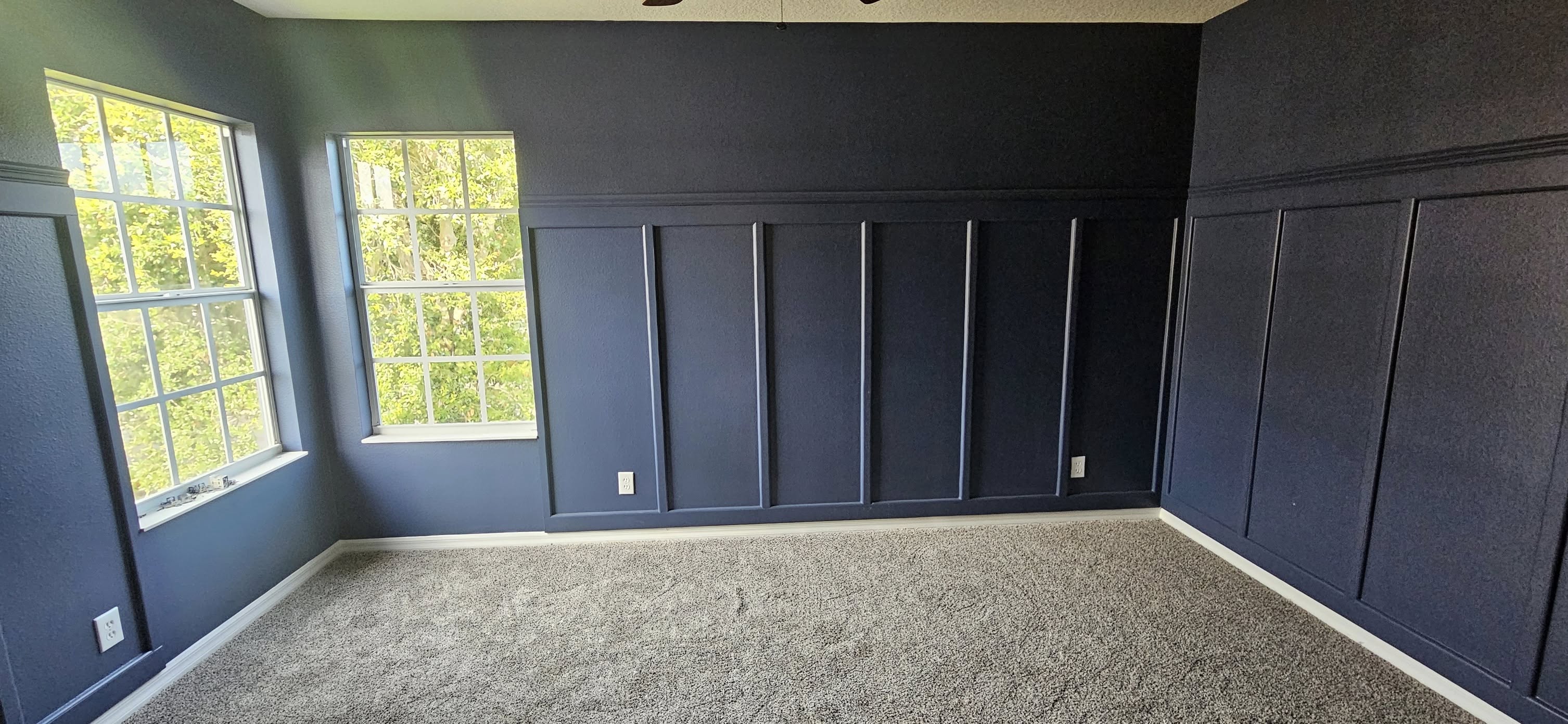
Mastering the Craft of Painting: Tips from Steve's Experts Mar 29, 2026
A well-done paint job begins with meticulous preparation. Steve’s experts emphasize this as an indispensable step. Before you pick up a paintbrush, ensure that the surfaces are dry and clean. Dirt, grease, and old peeling paint can affect adhesion, so take time to wash walls with mild detergent and sand down imperfections. For professional-standard results, patch holes with a suitable filler and allow it to dry thoroughly. Remember, the smoother the base, the more stunning your finish will be.
Choosing the right type of paint is crucial. Not all paints are created equal, and understanding the difference between them is essential. Steve’s painters recommend using high-quality products tailored to specific surfaces and conditions. For example, if you're painting a bathroom, opt for a moisture-resistant paint to combat humidity. For a kitchen, consider a washable formula that withstands grease and splashes. Always take into account the durability and finish – from matte to high-gloss – that will suit your room's needs and aesthetic goals.
When it comes to tools, investing in good quality brushes and rollers will make a significant difference. Cheap tools can leave streaks and bristles behind, undermining your hard work. Steve’s experts advise using a synthetic bristle brush for water-based paints and a natural bristle brush for oil-based paints for optimal results. Rollers come in various naps; a shorter nap is excellent for smooth walls, while a longer nap is better for textured surfaces.
The painting technique itself is an art. Start with cutting in – a method where you paint around the edges with a brush before filling in the larger areas with a roller. This approach ensures crisp lines and a professional-looking finish. Overlapping strokes is another key tip; wet edges blend better, reducing visible lines. Experts at Painting By Steve swear by the golden rule of applying two coats. The first coat may look satisfactory, but a second application adds depth and longevity to the color.
Safety, often overlooked, is paramount. Ensure adequate ventilation when using paints, especially indoors. Consider using non-toxic, low-VOC (volatile organic compounds) paints to keep indoor air safe for you and your family. Always read and follow the safety instructions on paint containers.
Once you've mastered these tips, maintaining your painted surfaces is the final step to ensuring lasting beauty. Dust walls regularly and wash them with mild detergent once or twice a year. Address any chips or cracks promptly to preserve the integrity of the paint.
Mastering the craft of painting requires patience, practice, and respect for the materials and tools involved. By following the expert advice from Steve’s team, you're sure to achieve a transformation that not only meets but exceeds expectations. Whether you're refreshing a single room or embarking on a complete home makeover, Painting By Steve stands ready to support you with expertise and reliability that makes all the difference.
/filters:no_upscale()/filters:format(webp)/media/c76913c0-0f16-410a-9dbe-a5c4677d595b.png)